Beyond the ordinary
This is where our journey begins. Get to know our business and what we do, and how we're committed to quality and great service. Join us as we grow and succeed together. We're glad you're here to be a part of our story.
Our story
sugar glider facts you should know ❤️


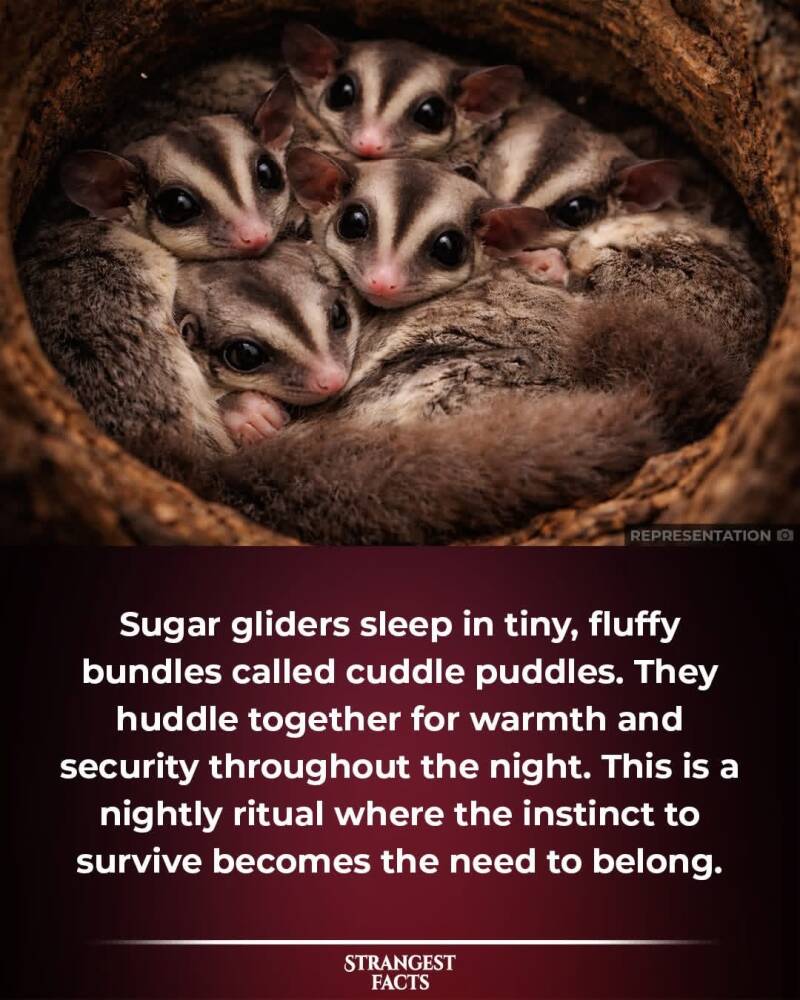
A great sugar glider cage setup isn’t just about having the right cage—it’s about creating a mini jungle gym + safe sleeping den + enrichment playground all in one. Here’s how to set it up so your gliders are active, safe, and not bored out of their minds:
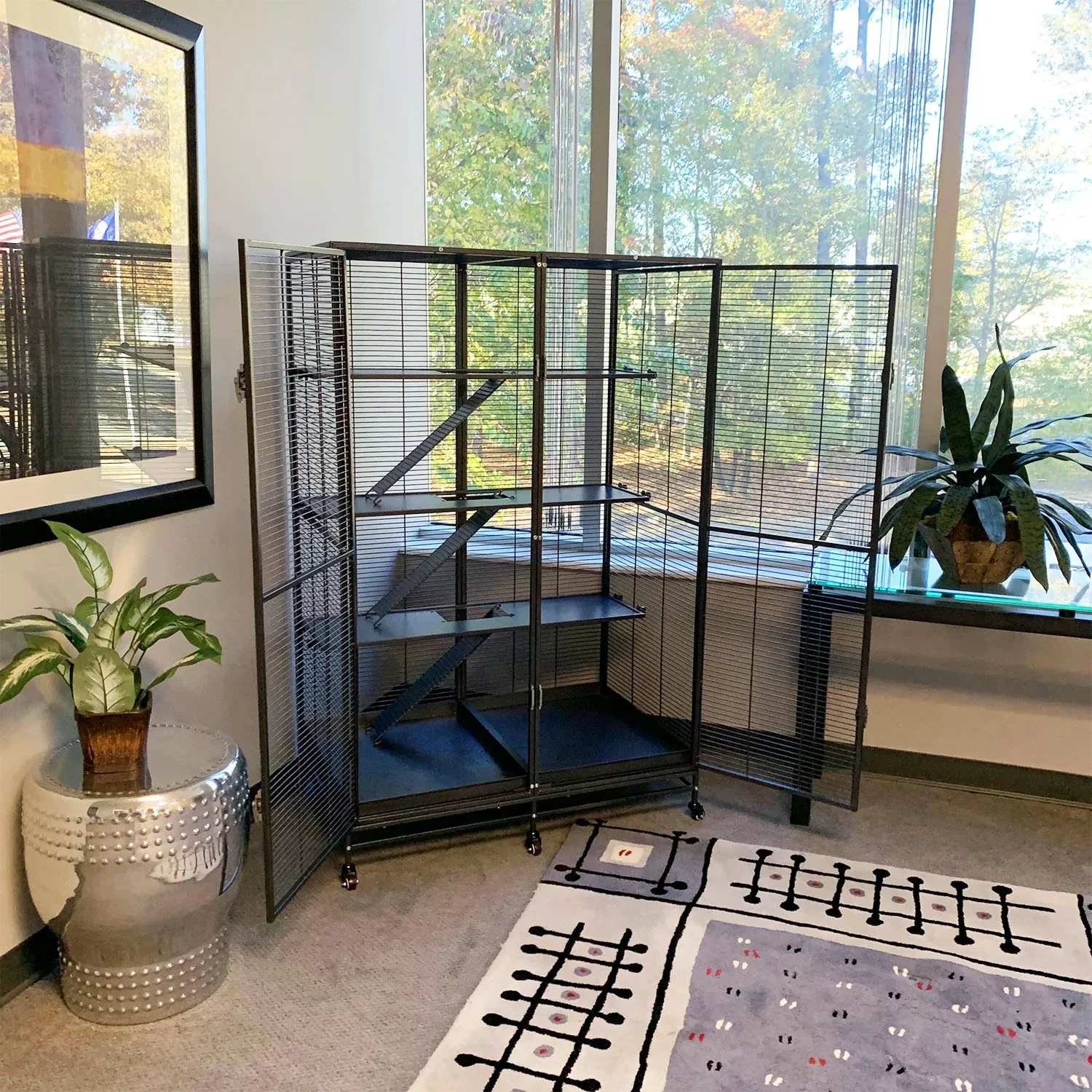
🏡 Cage Structure (Foundation)
Start with:
- Tall cage (at least 3–4 ft high, taller = better)
- ½ inch bar spacing max
- Powder-coated metal
Think vertical space first—gliders live up, not out.
🛏️ Top Section (Sleep Zone)
This should feel dark, cozy, and secure.
- 2–3 fleece sleeping pouches
- Place them high in the cage (they feel safest up top)
- Optional:
- Hanging cube
- Tunnel pouch
💡 Tip: Keep this area calm—don’t overcrowd with toys here.
🏃 Middle Section (Activity Zone)
This is where most of the action happens.
Must-have:
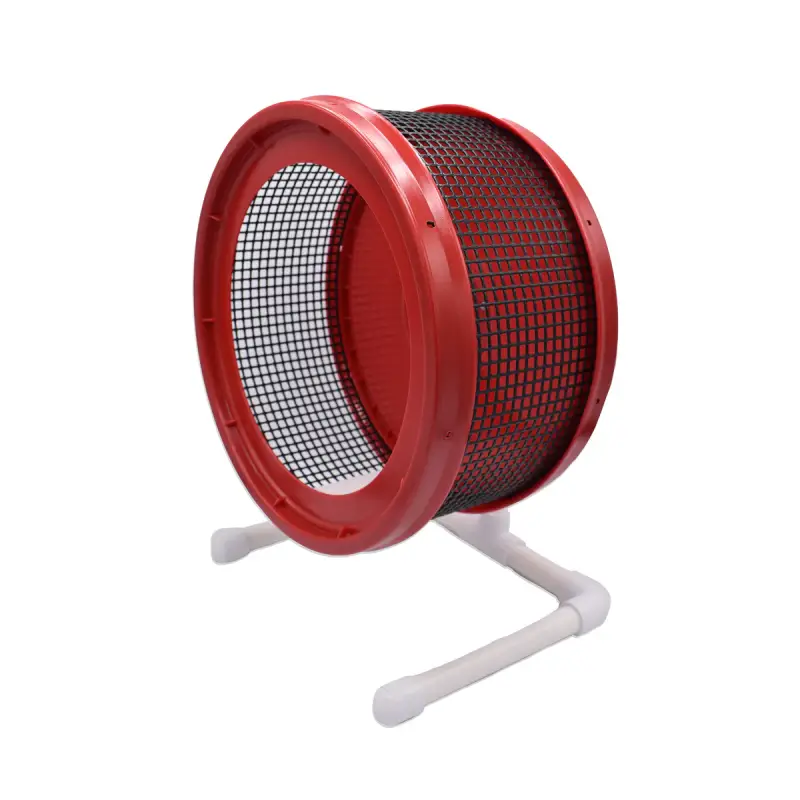
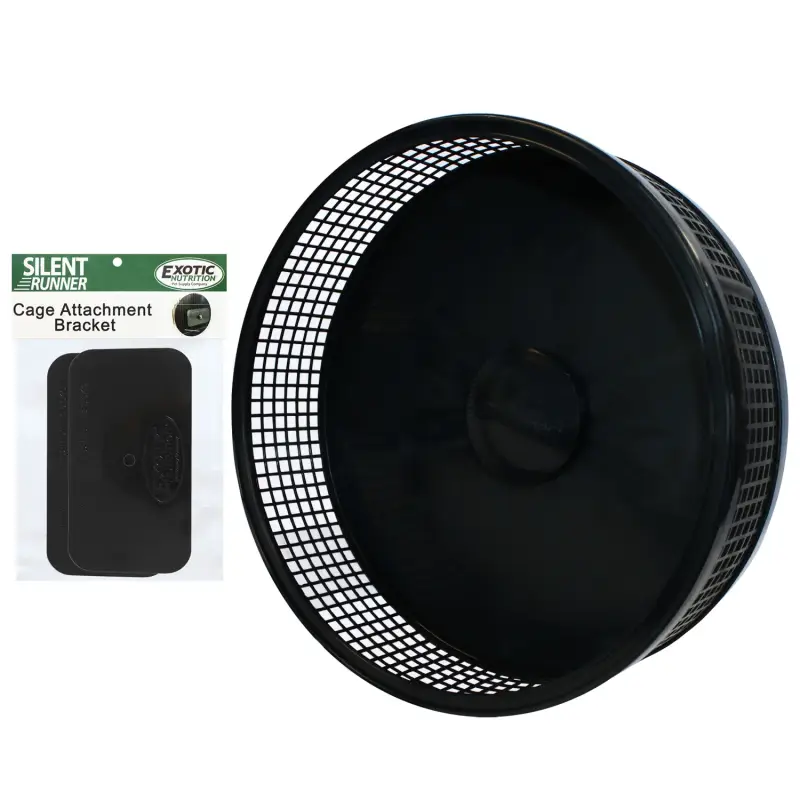
- Glider-safe wheel
- No center bar
- Mounted securely to the side or on a stand
Add:
- Hanging toys
- Foraging cups
- Plastic chains
- Puzzle toys
💡 Rotate toys weekly—they get bored fast.
🌿 Climbing & Gliding Paths (Throughout Cage)
This is what turns a cage into a habitat.
- Fleece vines
- Rope bridges
- Ladders
- Safe branches
Set them up so your glider can:
- Climb easily
- Jump from one side to another
- Move without needing to go to the bottom
🍽️ Bottom Section (Food Zone)
Keep feeding consistent and easy to clean.
- Stable feeding dish or platform
- Separate dishes for:
- Staple diet
- Fruits/veggies
- Water (bottle + backup dish recommended)
💡 Avoid placing food directly under sleeping areas (messy + unhygienic).
🧼 Cage Floor
- Use:
- Fleece liners (reusable & safe)
- Or paper-based bedding
Avoid:
- Wood shavings (can be unsafe)
- Wire floors (bad for feet)
🔒 Safety Check (Don’t skip this)
- Secure all doors with clips/carabiners
- No loose threads (can tangle toes)
- No small gaps or sharp edges
- Wheel spins freely and safely
🔄 Enrichment Rotation (Huge for happiness)
Every 1–2 weeks:
- Swap toys
- Rearrange layout slightly
- Add new foraging challenges
This prevents:
- Depression
- Overgrooming
- Boredom
🌙 Bonus: Night Setup
Sugar gliders are nocturnal, so:
- Place cage where they won’t disturb sleep too much
- But still in a social area for bonding
Simple Visual Layout
Top:
🛏️ Sleeping pouches
Middle:
🎡 Wheel + toys + ropes
Bottom:
🍎 Food + water
All levels:
🌿 Climbing paths everywhere
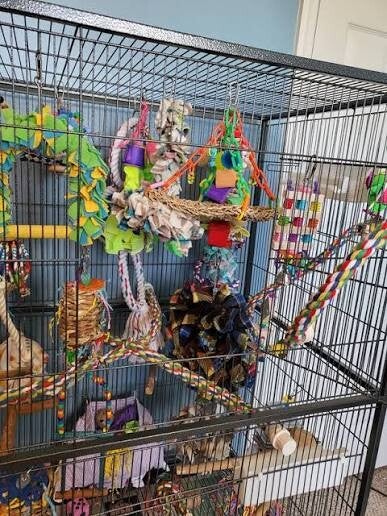
sugar glider diets
Sugar glider diets are one of the biggest make-or-break factors in their health—and also one of the most misunderstood. A random mix of fruits or “whatever they’ll eat” leads to serious issues like calcium deficiency, obesity, and even Metabolic Bone Disease.
Here’s a clear, proper way to feed them 👇
🥗 The Right Way: Staple Diet + Fresh Foods
Sugar gliders should NOT eat random diets. They need a structured staple plan plus fruits and veggies.
✅ Proven Staple Diets (pick ONE and stick to it)
These are widely used and balanced:
1.
BML Diet (Bourbon’s Modified Leadbeater’s)
- Very strict ingredient list (don’t substitute)
- Easy and affordable
- Great for beginners
2.
TPG Diet (The Pet Glider diet)
- More variety in fruits/veggies
- Requires supplements
- More flexible, but more prep
3.
OHPW Diet
- Uses Wombaroo supplement
- Higher protein, commonly used by breeders
👉 The key: choose one and follow it exactly—don’t mix systems.
🍎 Fruits & Veggies (Daily)
Alongside the staple:
Good options:
- Apples (no seeds)
- Blueberries
- Grapes
- Mango
- Papaya
- Carrots
- Green beans
- Peas
- Sweet potato
Balance matters:
- Aim for a calcium-to-phosphorus ratio around 2:1
- Too much phosphorus = weak bones over time
🍗 Protein (Already in staple—but extras can help)
Depending on diet:
- Cooked plain chicken
- Scrambled/boiled eggs
- Mealworms (treat, not main food)
💧 Water
- Fresh water daily
- Bottle + small dish backup is best
🚫 Foods to Avoid (Important)
Some foods are straight-up dangerous:
- Chocolate
- Caffeine
- Alcohol
- Garlic & onions
- Rhubarb
- Fruit seeds/pits
- Raw meat
- Dairy (can cause issues)
🍬 Treats (Keep small!)
Use sparingly:
- Yogurt drops (very occasional)
- Honey (tiny amounts)
- Live insects
Too many treats = obesity fast.
⏰ Feeding Schedule
- Feed at night (they’re nocturnal)
- Remove leftovers in the morning
⚠️ Common Mistakes (worth calling out)
- ❌ “Fruit-only” diets → malnutrition
- ❌ Mixing multiple diet systems → imbalance
- ❌ No calcium balance → bone disease
- ❌ Cheap pet store pellets as main diet
Pellets can be left in the cage, but should not be the primary diet.
🧠 Simple Daily Breakdown
For each glider:
- Staple mix (based on your chosen diet)
- Fruits + veggies (about 1–2 tbsp total)
Occasional protein/treat

Key Reasons Sugar Gliders Can't Get Wet:
- Hypothermia Risk: Even a small amount of water can cause their body temperature to drop dangerously low.
- Respiratory Infections: Getting wet frequently or improperly can lead to pneumonia.
- Skin/Grooming Sensitivity: They naturally groom themselves like cats and do not need baths.
- High-Stress Levels: Bathing is extremely stressful for them.Humane Society of Chittenden County +2
Important Safety Tips:
- No Baths: Never submerge them in water or give them a bath.
- Cleaning: Use a damp, warm, fragrance-free washcloth to clean them if necessary.
- Drying: If they do get wet, dry them immediately with a soft towel.
- Avoid Submersion: Keep them away from toilets, sinks, and buckets, as they cannot swim and can easily drown.